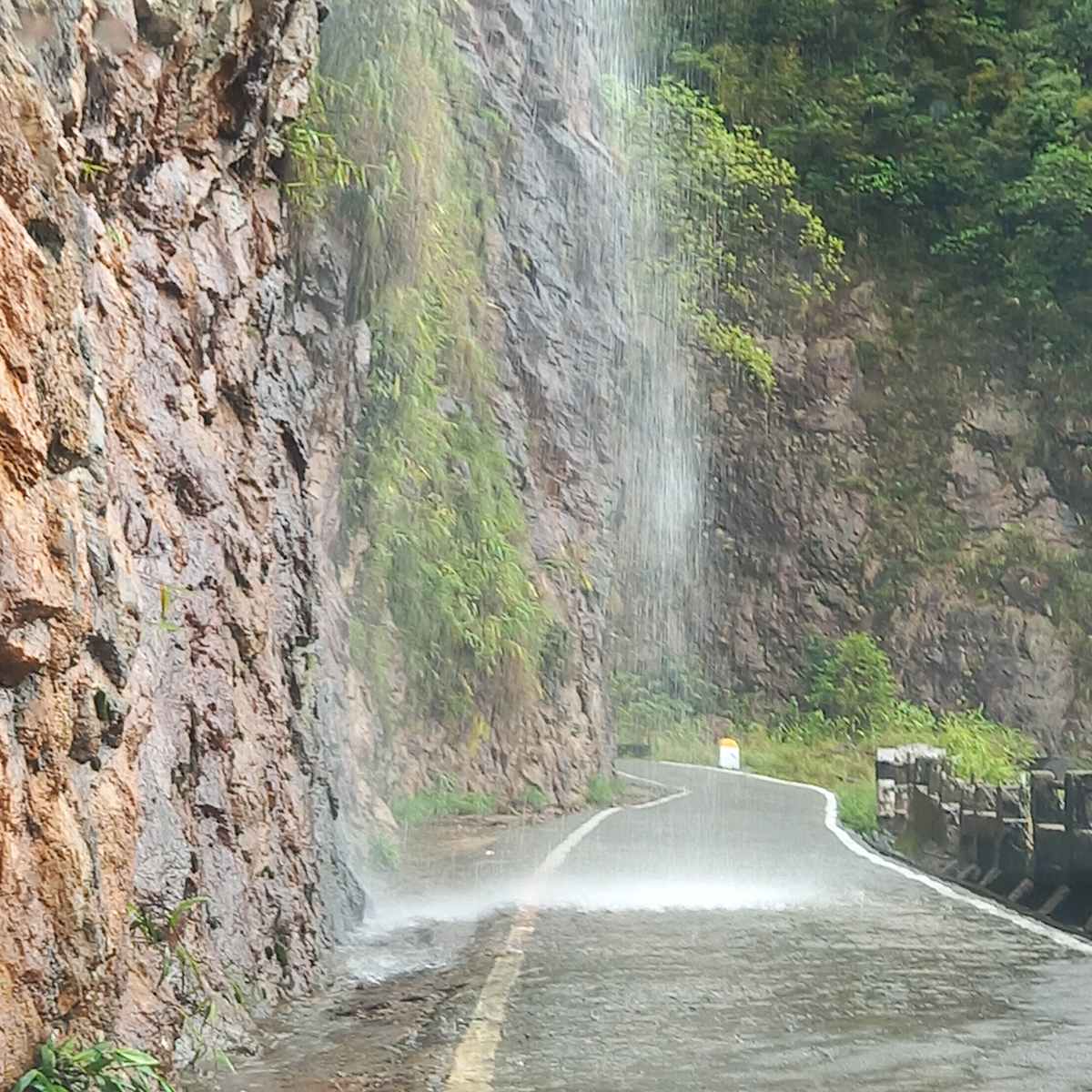
I had visited hill stations before. Places like Ooty, Kodaikanal, Yercaud, Munnar, Yelagiri Hills and Kullu Manali. Like most tourists, I had usually returned with photographs, pleasant memories, and admiration for the scenery. My recent family vacation to Shillong, along with visits to Mawsynram and Cherrapunji in May 2026, began no differently.
But somewhere between the fog-covered roads, the steep slopes, the silence of cold nights, and watching ordinary people move through difficult terrain as if it were second nature, a realization hit me. I returned from Shillong admiring something very different from what I had admired before. It was not beauty.
Resilience.
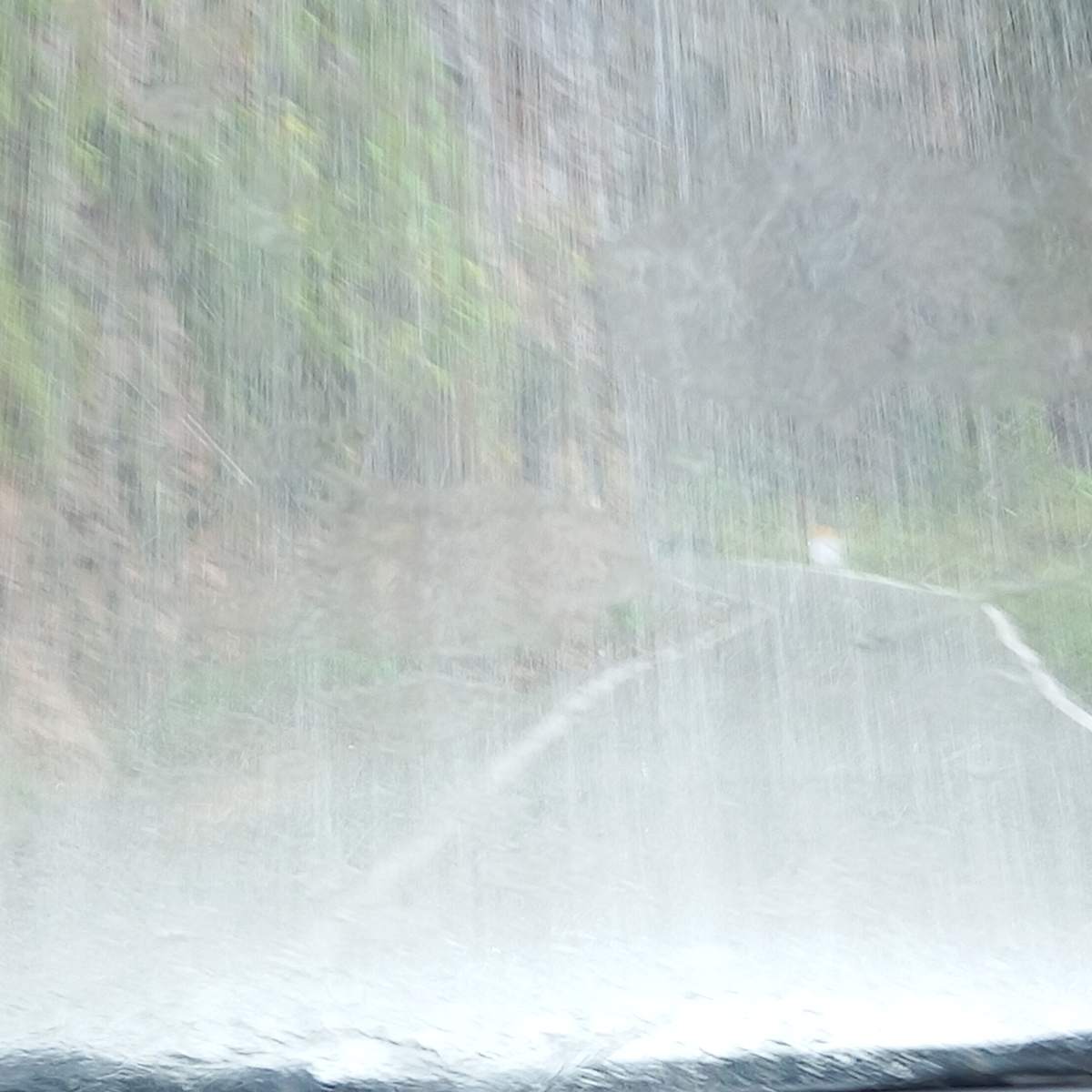
The beauty of the hills was immediate. The weather changed frequently. Fog would quietly descend and reduce visibility within minutes and would clear itself when it liked to. Roads that looked clear suddenly disappeared into soft white emptiness. Vehicles slowed instinctively. Drivers adjusted without drama. Nature dictated the pace, and people adapted to it naturally.

In cities, we often behave as though environments must bend to our convenience. In the hills, the relationship felt different. Human beings seemed to negotiate happily with nature rather than dominate it.
Even in May, just before the monsoon season in Shillong, the nights were cold enough for sweaters and blankets. For a family from Chennai.
There were no heaters in our rooms. Just quilted bedding and heavy blankets that probably become even more essential during winter. I remember lying awake briefly one night wondering what life there must feel like during continuous rain and deep winter cold.
And yet, every night, all of us slept like babies.
The silence during the nights felt different from city silence. It was not the absence of sound. It was the absence of urgency.
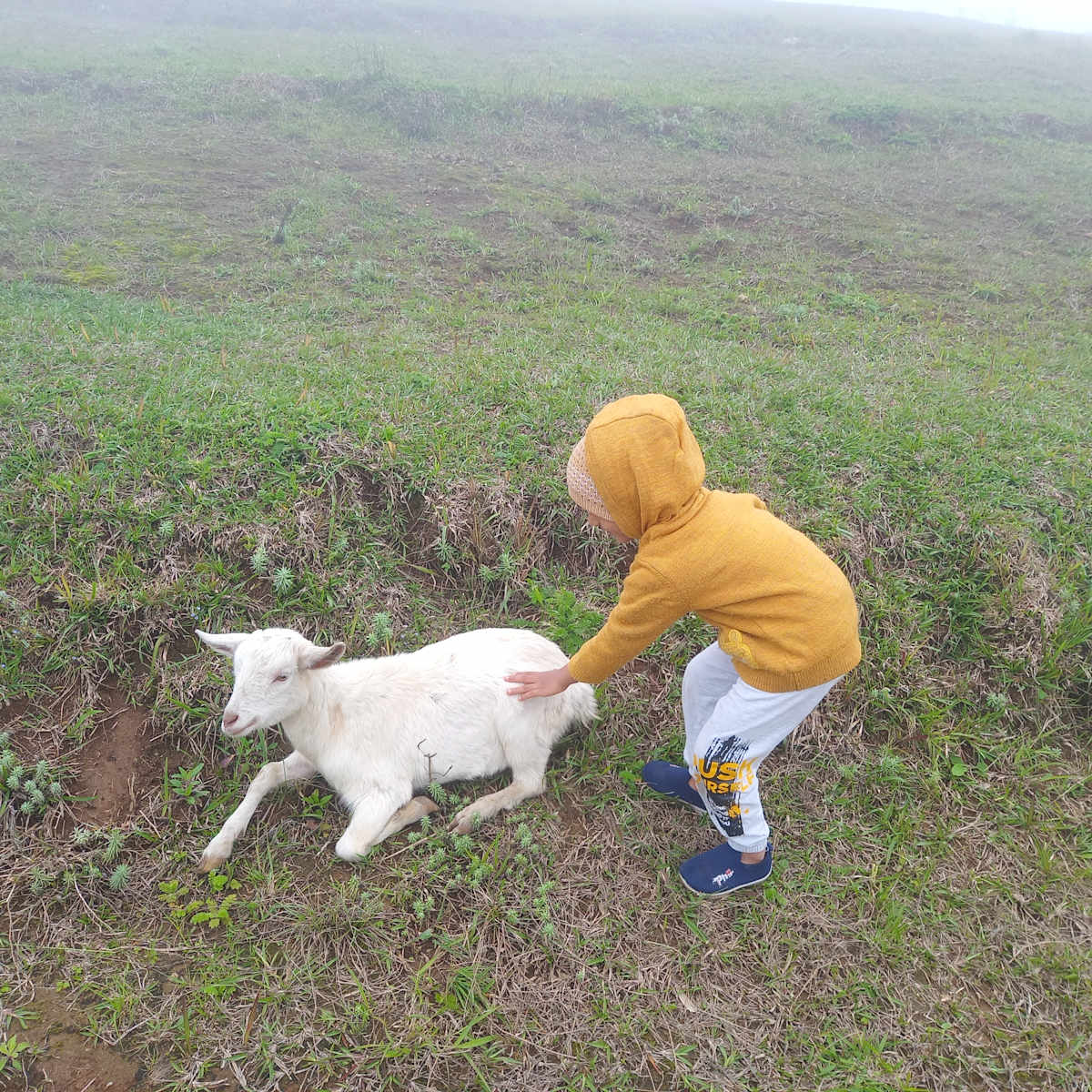
My children adapted faster than I expected. The younger one, just three and a half years old, seemed delighted by the rain, cold air, changing weather, and open surroundings. He drove us mildly insane at restaurants by constantly changing his mind about food, almost as unpredictably as the Shillong weather itself, but he appeared genuinely alive in that environment. The elder one had already begun showing signs of disinterest in posing for photographs unlike my wife, but was far more interested in taking photographs himself using our mobile phones.
Looking back, I think this vacation affected me differently because I was not just observing as a tourist anymore. I was observing as a father.
I found myself constantly explaining things to my children.
I pointed out school children casually walking steep slopes every day as though it required no effort. I showed them people carrying loads on their backs while walking uphill roads that would exhaust many city dwellers within minutes.
I remember one particular moment vividly. A small child, probably no older than three or four, sprinted uphill from the roadside toward his house built around fifteen or twenty feet above the road level. It looked physically demanding even to watch from the comfort of the sedan in which we were travelling around for sight seeing. I told my sons that this child probably runs up and down that slope dozens of times every day without even thinking about it.
No gym membership. No fitness culture. Just life itself building the body. That realization hit me hard.
What tourists admire as “beautiful terrain” is daily survival infrastructure for the people living there. Roads are not just roads in hill stations. Every commute, every delivery, every repair activity, every school trip, and every ordinary errand demands more physical effort than most of us living in flatter cities realize.
And strangely, I did not sense resentment. Not even a tinge. What I sensed instead was acceptance of their surroundings by the locals mixed with quiet dignity.
Not the defeated kind of acceptance that comes from helplessness. Something deeper. Almost as if many people there had formed a more grounded relationship with discomfort, climate, and physical effort than modern urban life allows.
For the first time during a hill station vacation, I found myself admiring the people more than the landscape.
Another thing that did not escape my attention was the civic sense. Roads and public areas were remarkably cleaner than many larger metropolitan cities in India. There appeared to be a stronger sense of shared responsibility despite infrastructure limitations and difficult terrain. I rarely sensed entitlement. Instead, I noticed a calm pride among locals about their place, their lifestyle, and their way of living.
Perhaps difficult environments quietly force people to think more collectively. I do not know. But the contrast was hard to ignore.

I had also read earlier about the Khasi community’s matriarchal culture, but this was the first time I experienced glimpses of it in everyday life. We visited coffee shops run by middle-aged women, roadside stores managed by women, and restaurants operated jointly by families led by women. What stayed with me was not merely their entrepreneurship, but the warmth with which they interacted with us.
At one point, we were searching for something as simple as Horlicks or Boost sachets for the children to mix with milk during breakfast because we could not find hot beverages for kids easily in restaurants. I still remember the warmth with which local women shopkeepers spoke to my wife while helping us search for alternatives. Even their eyes seemed to carry warmth and patience.
These are small moments.
But travel memories are often built from small moments.
One thought followed me repeatedly throughout the trip.
Many of these people were probably not living conventionally “comfortable” lives by modern urban standards. Their days likely involved harder weather, tougher terrain, and more physical effort. Yet the environment around them seemed to preserve something that many cities slowly erode: physical resilience, slower rhythms of life, closeness to nature, and perhaps a less fragmented existence.
And I will admit something honestly. I envied that a little. Not romantically. Not naively.
I understand hill life is difficult. It demands adaptation in ways most tourists only temporarily experience. But I could not ignore the feeling that modern urban life often optimizes convenience while quietly weakening many things human beings naturally evolved with such as movement, endurance, patience, environmental awareness, and community dependence.
Shillong changed what I admired.
I arrived appreciating scenery. I returned respecting resilience.
Sometimes strength does not look dramatic. Sometimes it looks like school children casually walking steep roads every morning. Sometimes it looks like people carrying loads uphill through cold air and rain. Sometimes it looks like families building ordinary lives in landscapes that demand physical and mental toughness every single day.
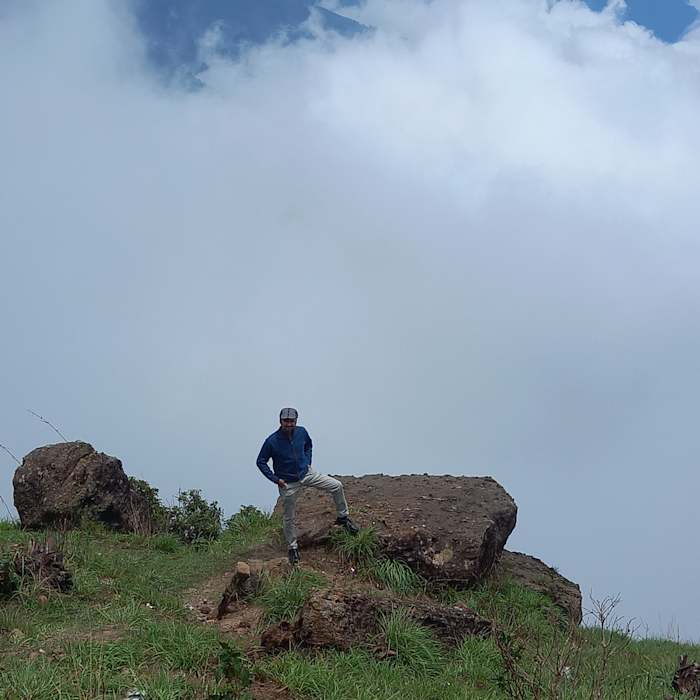
And sometimes, it quietly lives in the hills while tourists remain busy photographing the clouds.